


April 2026
We know the direct impact of our programmes. We get children into school, for longer, and equip young entrepreneurs, parents and guardians with vocational and business skills so they can find employment, start enterprises and lift themselves out of poverty.
But what about the impacts we don’t always see? What does it mean for a young person’s wellbeing to have access to opportunity — to feel someone is investing in them, and backing their future? The recently published World Youth Report 2026 by the United Nations Department of Economic and Social Affairs points us towards an important answer. It finds that young people’s mental health is shaped far more by the conditions they grow up in than by access to clinical services alone.
That shifts the conversation.
Daily realities like extreme poverty, exclusion, unemployment and limited access to education are not just difficult circumstances — they shape how young people feel about themselves, their safety and their future.
Today, around one in seven young people globally is living with a mental health condition, with the greatest burden in low- and middle-income countries. Behind that statistic are environments that make it harder to feel secure, hopeful or in control.
So if we want to improve youth mental health at scale, we need to look beyond services, and towards the systems that shape young lives.

At WeSeeHope, our focus has always been on education and entrepreneurship. What this evidence reinforces is that this work doesn’t just address poverty, it also supports mental wellbeing, often in ways that are less visible but just as important.
Education, for example, is about much more than future earnings. It can create a sense of belonging, build confidence and open up a longer-term sense of possibility. Safe, supportive schools can offer stability in otherwise uncertain environments, while helping young people develop resilience that stays with them far beyond the classroom.
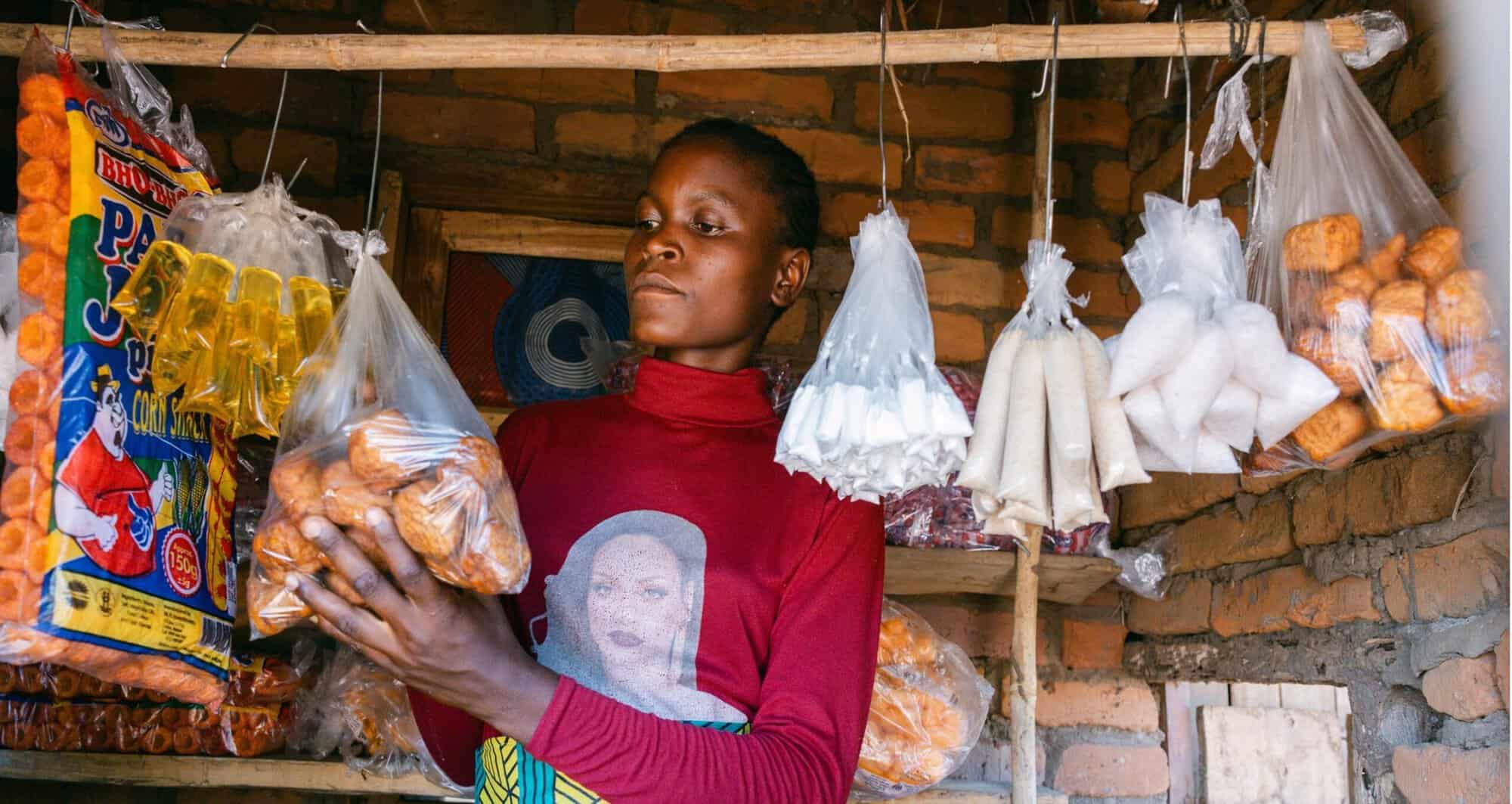
Access to economic opportunity matters in a similar way. When young people are locked out of work, it can lead to frustration, anxiety and disconnection. But when they gain skills, start businesses or find employment, it does more than improve income. It restores a sense of agency. The ability to shape your own future is not just economic, it’s deeply psychological.
This changes how we should think about our work.
These aren’t just interventions that respond to need. They are part of the foundations that help young people stay well in the first place, strengthening resilience long before a crisis point is reached.
The report also reminds us of what happens when these foundations are missing. Poor mental health in youth is linked to lower productivity, higher healthcare costs and reduced lifetime earnings. In that sense, investing in education and opportunity isn’t only the right thing to do, it’s a practical, long-term investment in stronger societies.
For funders, this calls for a wider lens. Education and enterprise are not side issues in global health. They sit at the heart of prevention, connecting wellbeing, economic development and social stability.
The message is a simple one.
If we want resilient societies, we need to invest in resilient young people. And that resilience is built not only through support in moments of crisis, but through access to education, opportunity and the belief that their future is worth investing in. Because when young people have that belief, they have something powerful. Hope.
Photography: Sam Vox
