

HOW WE WORK
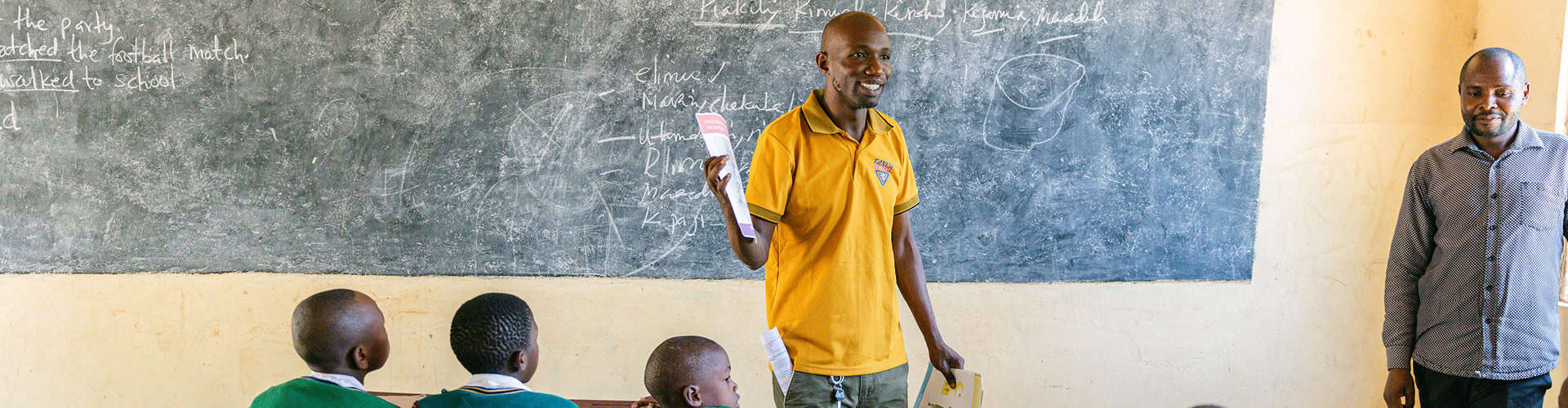
Valuing the essential role of local experts, all of our programmes are developed and delivered in partnership with in-country NGOs and community-based organisations who are specialists in community and child development.
These partnerships are the foundation for everything we do.
An extension of the WeSeeHope team, our partners manage the programmes in communities and carry out all needs assessments, training sessions, data and case study collection, and monitoring visits. They are responsible for nurturing strong relationships with community leaders and volunteers, and for building their capacity to run the programmes independently.
Since 2000, we have collaborated with 109 local organisations across Sub-Saharan Africa.
Today, we work with 10 partners in Malawi, Tanzania and Uganda.
WHY WE WORK IN PARTNERSHIP
Local organisations bring deep-rooted knowledge, lived experience, and long-standing trust with the communities we support. These foundations are essential for designing and delivering solutions that are not only effective, but locally relevant and sustainable.
We are committed to localisation and shifting power to those who know best, ensuring that children’s futures are shaped by their own communities, with dignity, agency, and hope.

WHY WE WORK IN PARTNERSHIP
Local organisations bring deep-rooted knowledge, lived experience, and long-standing trust with the communities we support. These foundations are essential for designing and delivering solutions that are not only effective, but locally relevant and sustainable.
We are committed to localisation and shifting power to those who know best, ensuring that children’s futures are shaped by their own communities, with dignity, agency, and hope.
MEET OUR PARTNER FANISI TANZANIA
“Our partnership with WeSeeHope has been transformative in advancing our mission over the past three years. By focusing on key objectives such as raising awareness about child rights, empowering vulnerable children and their caregivers through income-generating activities, and providing capacity building on child protection and positive parenting, we have seen significant growth in both our organisational impact and community development.”
